
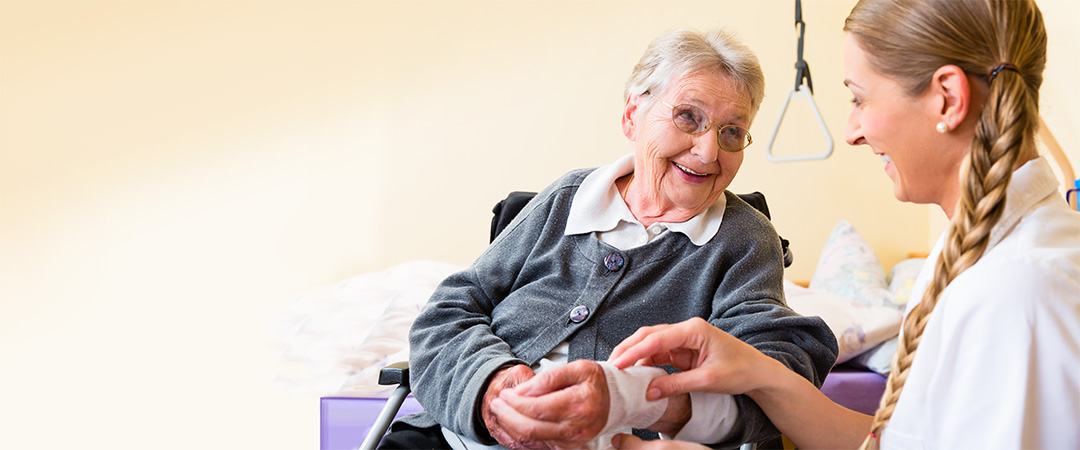
As we get older, life can begin to look different. Retirement may mean spending less time with coworkers, children may have moved away, and some of the routines and activities that once filled our days may no longer be part of everyday life. With these changes, it can become more difficult to maintain the social connections that bring joy, companionship, and a sense of purpose.
Staying socially connected is an important part of enjoying life at any age. For older adults, having opportunities to spend time with others, build friendships, participate in activities, and simply share a conversation can make a meaningful difference in daily life.
The Value of Friendship and Companionship
Friendships give us people to laugh with, talk with, and share life experiences. For seniors, having regular opportunities to connect with others can help create a greater sense of belonging and make everyday life more enjoyable.
Something as simple as having a friend to sit with at lunch, joining a group activity, or talking with someone who shares a similar hobby can turn an ordinary day into something to look forward to. Social connection can also provide opportunities to continue making new memories and developing meaningful relationships.
Finding Joy Through Activities and Hobbies
Retirement is an opportunity to rediscover old interests and explore new ones. Staying active and engaged can help bring structure and excitement to each day.
Many assisted living communities offer a variety of activities and events designed to give residents opportunities to socialize while doing things they enjoy. This might include arts and crafts, exercise classes, games, educational programs, music, outings, or special events and celebrations.
The goal isn’t simply to keep a calendar full. It’s to give residents opportunities to discover what makes them happy and connect with others along the way.
Shared Meals Bring People Together
Food has always been a natural way to connect with others. Sitting down for a meal provides more than nourishment—it also creates an opportunity for conversation, laughter, and companionship.
In an assisted living community, shared meals can become an important part of a resident’s daily routine. Residents can enjoy their meals alongside friends and neighbors rather than eating alone, creating regular opportunities for connection throughout the week.
A Community Can Make Connection Easier
Maintaining a social life can become more challenging when someone is living alone. Transportation, mobility concerns, or simply not having people nearby can make it harder to participate in activities and maintain friendships.
Assisted living communities are designed with connection in mind. Residents live alongside others who may be at a similar stage of life and have their own interests, experiences, and stories to share. With activities, events, common areas, and regular opportunities to gather, finding companionship can become a natural part of everyday life.
This doesn’t mean every resident needs to participate in every activity or spend every day surrounded by people. Having the opportunity to connect is what matters. Residents can choose the activities and relationships that feel meaningful to them while still having a community around them.
Making the Most of the Years Ahead
Growing older should be about more than simply getting through the day. It should be a time to enjoy the things that matter most—friendships, hobbies, family, laughter, and the experiences that bring a sense of purpose and happiness.
Social connection plays an important role in that experience. Whether it’s sharing a meal with a friend, joining an activity, learning something new, or simply enjoying a conversation, meaningful moments can make everyday life more fulfilling.
Assisted living can provide an environment where those opportunities are easier to find. With a supportive community, engaging activities, and plenty of opportunities to connect, residents can focus less on the challenges of living alone and more on enjoying the life they’ve worked hard to build.